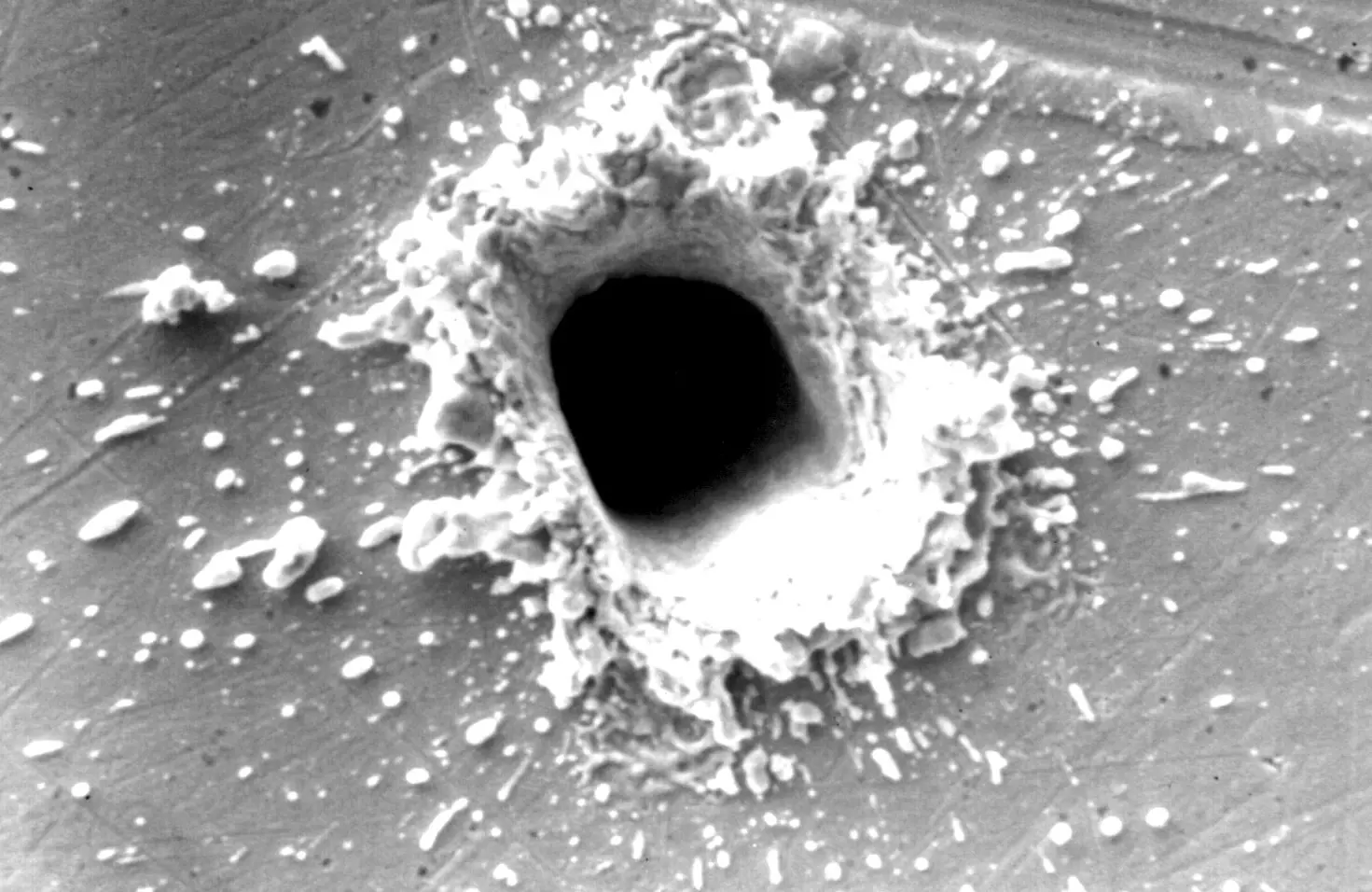
Gold, with its shimmering allure and enduring value, has captivated humanity for millennia. Beyond its beauty, gold holds significant economic, cultural and historical importance. Most gold deposits originate from hydrothermal fluids that percolate through cracks in the Earth’s crust, precipitating gold-bearing quartz veins. Placer deposits, formed by the erosion of primary deposits, yield nuggets and flakes in riverbeds and alluvial plains. We assume that gold occurs as a shiny yellow metal in veins or streams, but the majority of gold mined today does not shine. This presents challenges in its exploitation.
Gold occurs in naturally forming minerals. Native gold and electrum (an alloy of gold and silver) make up more than 90% of gold mineral occurrences, but there are over 40 known minerals that contain gold, mainly alloys with elements like mercury, copper, tellurium and platinum group metals, but also some sulphosalt and a sulphide mineral. Historically, gold was largely mined as a native metal, but in most current deposits, gold occurs as a trace component of pyrite or arsenopyrite or their oxidized equivalents.
The growing complexity of gold ores influences the extraction and recovery processes. Gold as fine particles, often called micron gold, can be recovered by intense milling and leaching by cyanide.
Gold that occurs in sulphides or telluride minerals requires pretreatment through chemical, biological or thermal oxidation prior to leaching and recovery of the metal. This adds cost to the mining project, so it is critical to use geometallurgical and mineralogical tools early in the development of a mine to identify potential host phases to inform the evaluation of any consequence. SRK works with various universities and laboratories worldwide on many complex gold ores using such tools and can not only characterize but also advise on the implications of such results for a mining study.