-
Services
Mineral Exploration
Mining Project Evaluation
Environment and Social Responsibility
- Mine Drainage Chemistry
- Soil and Groundwater Remediation
- Environmental and Social Impact Assessment
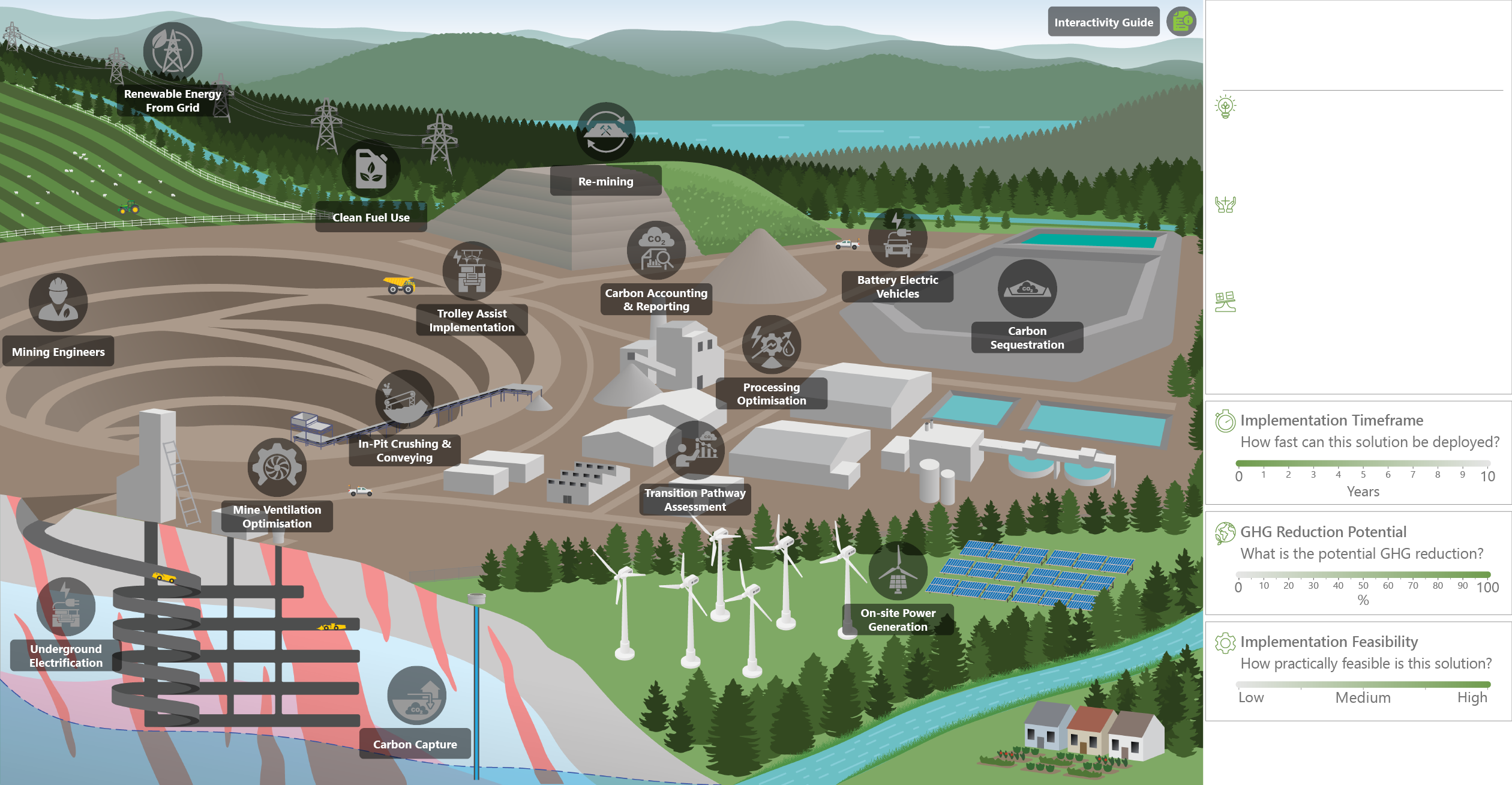
- Carbon Accounting
- Stakeholder and Public Engagement Consultation
- Mining-Related Environmental and Social Management Planning
- Electrification of Haulage in Open Pits
- Climate Change
- Resettlement and Livelihood Restoration
- Environmental Permitting
- Nuclear Site Safety
Geology and Resources
Mine Engineering
Water Management
Mining Geotechnics
Mine Closure
Mine Waste Management
Extractive Metallurgy and Mineral Processing
Civil and Structural Engineering
Structural Geology
Mineral Resource Estimation
Mine Site Operational Assistance
Mine Ventilation
Groundwater
Surface Water
Water Quality and Treatment
- Consultants
- Projects
- Products
-
Knowledge Centre
- News and Events



 Learn More


 Learn More